
T.I.P. · TechnoCoRe · DOST-PCIEERD

QISLaP
Quantum and Intelligent Systems Laboratory for Power Engineering
Making hybrid quantum computing practical for the Philippine energy sector.
> first lab in the Philippines applying hybrid quantum computing to the power grid
- ⟨partners⟩ Partners & collaborators
- 13
- ⟨workshops⟩ Workshops held
- 4
- ⟨team⟩ Team members
- 17
- ⟨projects⟩ Funded projects
- 2
The grid is outgrowing classical computing.
The energy sector is evolving fast. Renewables, electric vehicles and smart infrastructure add scale, uncertainty and interconnectedness that are pushing traditional computational tools to their limits. Quantum computing offers a paradigm shift for problems that are intractable today:
- Unit commitment with renewables
- Real-time power flow optimization
- Security-constrained economic dispatch
- Predictive maintenance scheduling
How a hybrid quantum workflow runs
Classical and quantum processors each do what they do best. Classical systems prepare the problem, quantum circuits attack the hardest sub-problems, and classical systems turn measurements into grid decisions.
01 · Classical pre-processing
Data & formulation
Grid data are cleaned and features engineered; optimization problems such as unit commitment are reformulated (e.g. MILP → QUBO) for quantum hardware.
02 · Quantum processing
Parameterized circuits
Quantum circuits and solvers tackle the hard sub-problems (optimization and pattern recognition) on simulators and real quantum devices.
03 · Classical post-processing
Decisions for the grid
Measurements are decoded and validated, feeding forecasts and decision support for utilities like BATELEC I.
Two projects, one mission
From quantum-powered grid forecasting to solar PV testing and standards, our work targets real operating needs of the Philippine energy sector.
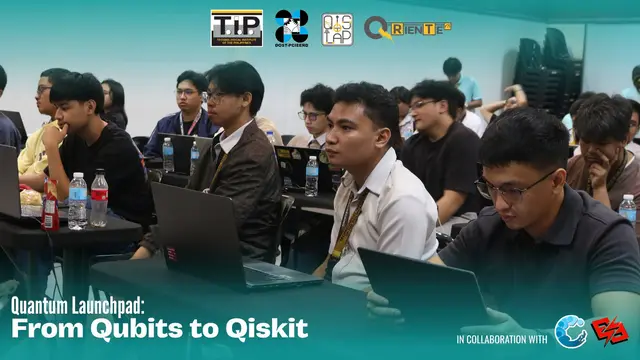

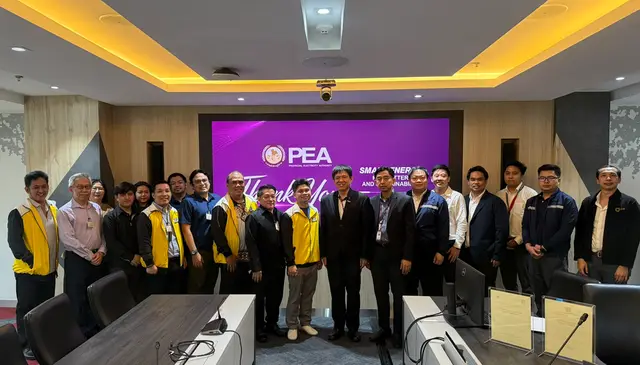
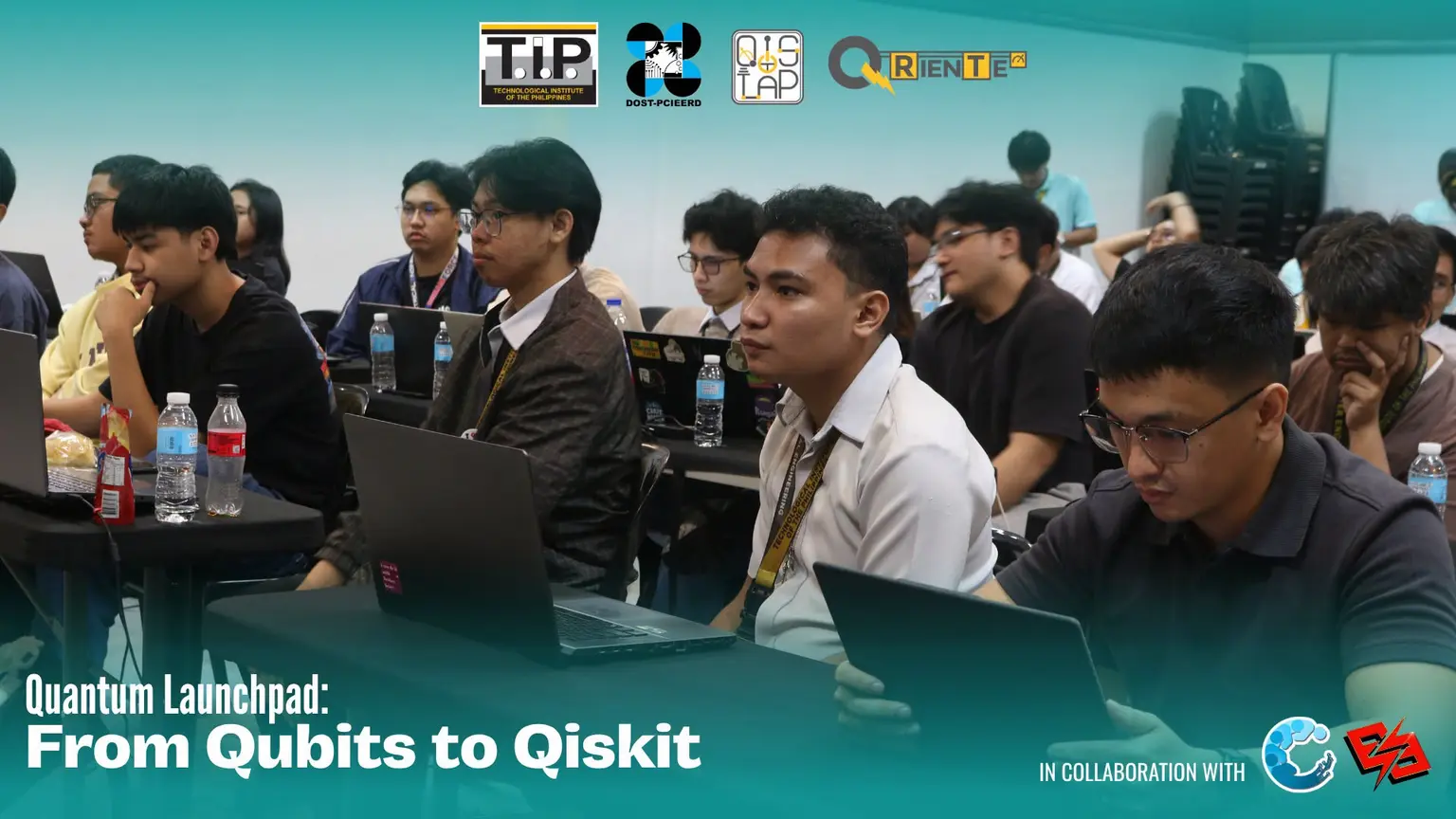
Room A301, T.I.P. Manila
A dedicated research hub for T.I.P. faculty, graduate and undergraduate students, and external partners, with high-performance classical computing and access to quantum simulators.
9
Workstations & servers
Lenovo ThinkStation and Dell Precision machines
RTX A4000
NVIDIA GPUs
For deep learning and GPU-accelerated quantum simulation
Hybrid
Quantum access
Quantum simulators today; power-system testbed integration planned
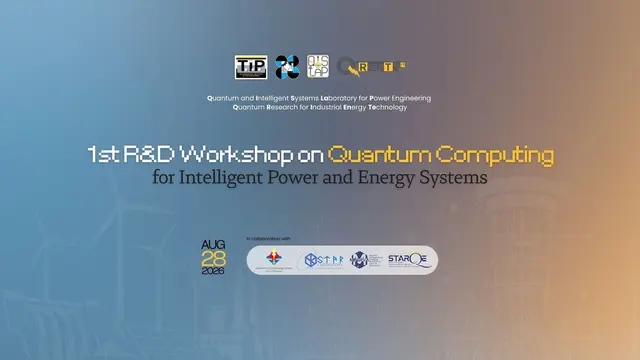
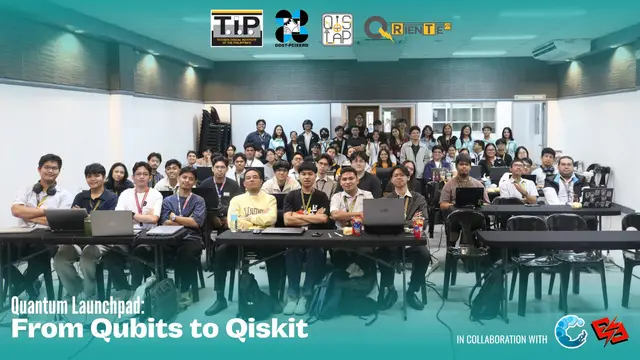
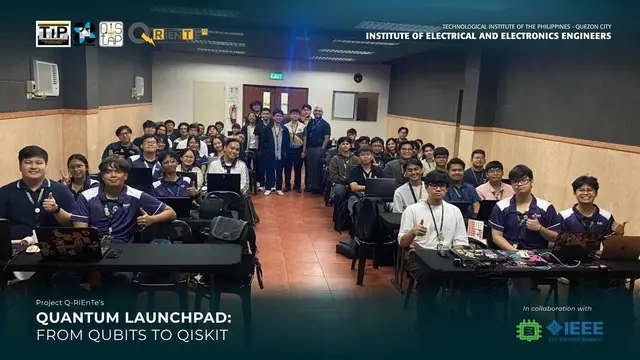
Entangled with government, industry and academia












Let's put quantum computing to work for Philippine energy.
We welcome government agencies, utilities, industry partners, universities, students and researchers.
Get in touch